From one-off visits to lasting relationships
Visitors aren't isolated transactions – they're potential long-term relationships. How can museums and galleries build lasting connections through digital touchpoints before, during and after visits, turning one-time attendees into advocates and repeat supporters?

Thanos Kokkiniotis
CEO and Co-Founder
7 min read
•

Photo by Dani Marroquin on Unsplash
Cultural institutions often think about visitors in discrete units: attendance figures, ticket sales, visitor numbers. Each visit gets counted, analysed and reported. But this framing misses something fundamental about how people actually engage with museums, galleries and heritage sites. A visit isn't an isolated event – it's part of an ongoing relationship that begins long before someone walks through the door and continues long after they leave.
The institutions that understand this shift their focus from maximising single visits to building lasting connections. They recognise that someone who visits once and never returns represents unrealised potential. Someone who visits repeatedly, brings others and advocates for your work? That's the foundation of sustainable cultural engagement. The question isn't just how to attract visitors, it's how to turn visitors into long-term supporters.
The myth of the "single visit"
The idea that cultural engagement happens primarily during a physical visit is increasingly outdated. People research exhibitions online before booking. They browse collection databases from home. They share photos during their visit. They revisit content afterward to remember what they saw or learn more. The physical visit is important but it's one touchpoint in a much longer journey.
How audiences actually behave reveals multiple phases of engagement. Someone might spend weeks reading about an exhibition before visiting. They might check opening times, read reviews, watch videos and plan their route. During the visit, they might use a digital guide, take photos and reference additional information. Afterward, they might share images, look up artists they discovered or explore related content. Each of these moments represents an opportunity to deepen the relationship.
Digital touchpoints before and after the visit are where most engagement actually happens. The hour or two someone spends in your building is bracketed by potentially weeks of online interaction. Yet many institutions focus almost exclusively on the physical visit, treating digital as a promotional tool rather than an integral part of the relationship. This misses the opportunity to build connection during the phases when visitors are most receptive.
Reducing anxiety is particularly important for families, people with accessibility needs and those visiting from different cultural backgrounds. Digital pre-visit content can address these concerns proactively, ensuring that potential barriers don't prevent visits from happening.
Pre-visit sets the tone
The visitor relationship begins not at the entrance but at the moment someone starts considering a visit. How institutions support this pre-visit phase significantly affects what happens next.
Planning is where many potential visitors get stuck. They want to visit but they're not sure when, how long to allow, what to prioritise or whether they'll enjoy it. Friction at this stage means people don't convert intention into action. Clear, accessible information – things like opening hours, ticket prices, what to expect, how to get there – removes barriers. Digital tools that help people plan their visit (suggested routes, time estimates, accessibility information) turn vague interest into concrete plans.
Confidence matters enormously, especially for first-time or infrequent visitors. Museums can feel intimidating. People worry about looking foolish, doing the wrong thing or not understanding what they're seeing. Pre-visit content that demystifies the experience and builds confidence. When visitors arrive already feeling oriented, they engage more deeply from the start.
Reducing anxiety is particularly important for families, people with accessibility needs and those visiting from different cultural backgrounds. Knowing in advance what facilities are available, what the pace will be like and what's appropriate creates psychological safety. Digital pre-visit content can address these concerns proactively, ensuring that potential barriers don't prevent visits from happening.
<!-- CTA block -->
In-visit support, not distraction
Once someone is physically present, digital tools should enhance the experience without overwhelming it. The goal is support, not substitution. It's about helping people engage more deeply with what's in front of them, not distracting them from it.
Timely nudges can improve the visit without being intrusive. A gentle suggestion to explore a related artwork nearby. A reminder about an upcoming talk. A prompt to slow down and look more closely at a particular detail. These interventions work when they're contextual, relevant and easy to dismiss if unwanted. They fail when they're constant, generic or demanding.
Personalisation allows the same physical space to serve different needs. A family might want playful, interactive content. A student might want detailed provenance information. A casual visitor might want concise highlights. Digital tools can adapt to each, offering the right depth and tone without requiring separate physical installations. The key is that personalisation should feel helpful, not invasive.
Respecting attention is critical. Museums already compete with countless stimuli: objects, labels, other visitors, architecture, noise. Adding digital content that constantly demands attention creates overload rather than engagement. The best in-visit digital tools know when to be present and when to step back. They offer value when needed and disappear when not, trusting visitors to direct their own attention.
Post-visit engagement that feels meaningful
The relationship doesn't end at the exit. What happens after the visit determines whether someone becomes a one-time attendee or a long-term supporter.
Reflection is where experiences solidify into memories. But reflection requires prompts. Follow-up emails that aren't just marketing but genuine invitations to revisit what was seen. Digital content that deepens understanding of objects encountered. Ways to save, share or explore further the things that resonated most. These post-visit touchpoints help visitors process and consolidate their experience.
Follow-up content should build on what happened during the visit, not ignore it. If someone spent time with a particular artist, send them related content. If they visited a specific exhibition, tell them about upcoming shows with similar themes. If they engaged deeply with accessibility features, make sure they know about improvements and new offerings. Relevance makes follow-up feel like continuing a conversation rather than generic broadcast.
Feedback loops close the circle. Asking visitors what worked and what didn't signals that their experience matters.
The most valuable visitors aren't the ones who come once – they're the ones who never quite leave
Long-term value of connection
The financial and mission-related benefits of lasting relationships far exceed those of transactional visits.
Repeat visits generate more value for both institution and visitor. Returning visitors engage more deeply because they're already oriented. They bring others, expanding your audience organically. They spend more, not because they're being monetised aggressively, but because they trust the value you provide. Most importantly, they engage with the full breadth of your programming rather than just blockbuster exhibitions.
Advocacy is the ultimate indicator of strong relationships. People who feel connected to an institution don't just visit. They recommend, defend and champion it. They volunteer time. They donate money. They fight for funding when cuts are threatened. You can't buy this kind of support. But it only emerges from sustained, positive relationships where people feel their engagement matters.
Trust is both the foundation and the result of lasting relationships. Visitors who trust that you'll respect their time, provide value and use their data responsibly are willing to engage more deeply. They'll try new programmes, give honest feedback and remain connected even when they can't visit in person. Trust takes time to build and seconds to destroy, which is why every touchpoint – both digital and physical – must reinforce rather than undermine it.
The institutions thriving in the long term aren't those with the highest single-visit attendance. They're those building communities of engaged supporters who return repeatedly, participate actively and champion the work. This doesn't happen by accident. It happens through deliberate, thoughtful relationship-building at every stage of the visitor journey.
Moving from one-off visits to lasting relationships requires rethinking success. Attendance figures aren't the only metric that matters. Instead, consider repeat visit rates, engagement depth, advocacy indicators and long-term retention, each of which tell a richer story.
Digital tools make this shift possible. They extend engagement beyond physical visits, personalise experiences at scale and maintain connections over time. But technology alone isn't the answer – it's simply the enabler. The real work is cultural: committing to relationships rather than transactions, investing in long-term connection rather than short-term numbers, and recognising that the most valuable visitors aren't the ones who come once – they're the ones who never quite leave.
Learn how Smartify supports connected visitor journeys
More stories

Limited capacity shouldn't mean limited access: audio description tours for major exhibitions

Ulrich Museum of Art launches interactive digital maps with Smartify
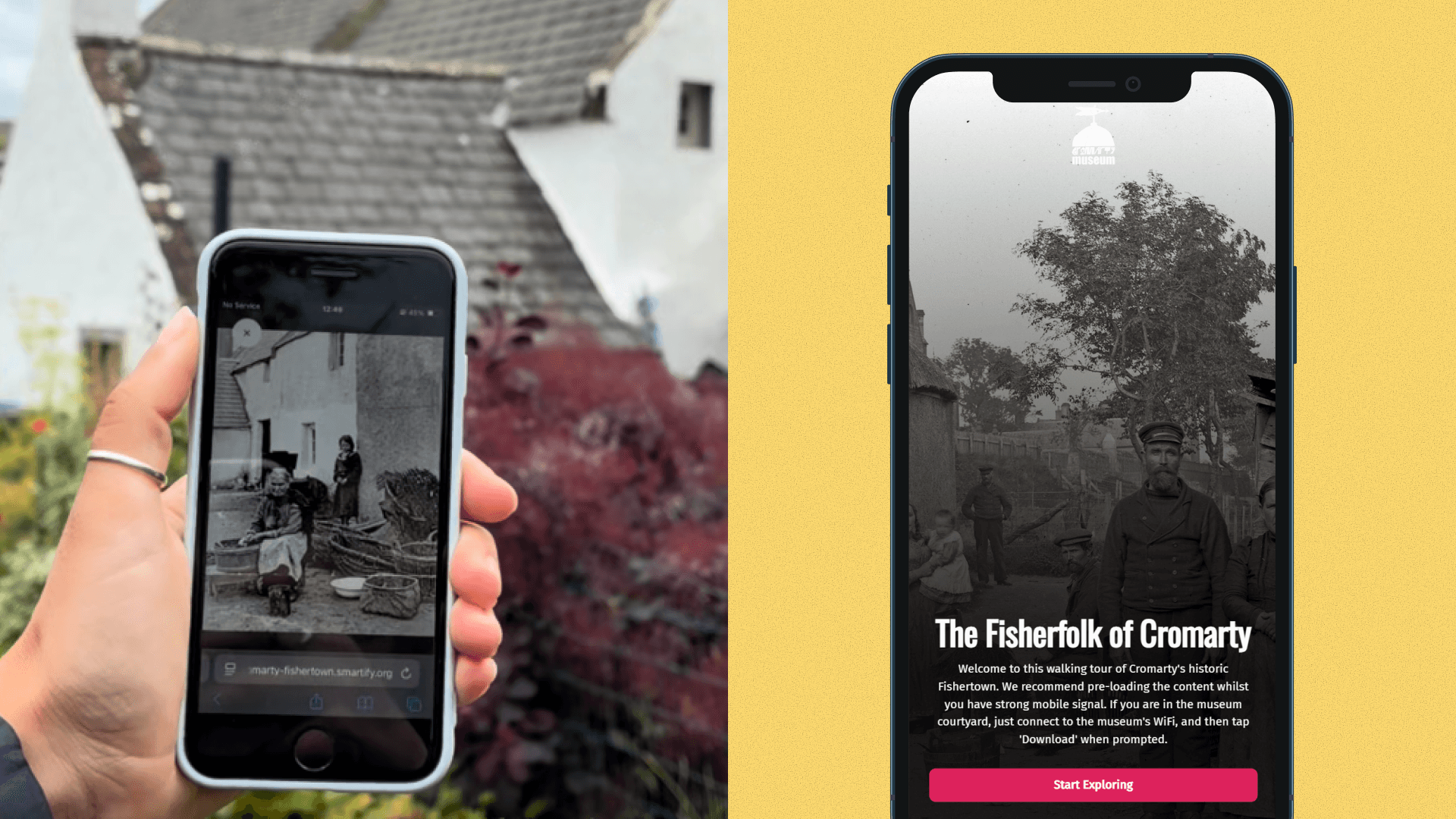
Historic photographs come to life in new community-created augmented reality experience

Bodleian Libraries launches new Outdoor Audio Trail with Smartify

Horniman Museum and Gardens launches playful AR trail with Smartify