Growing revenue without compromising values
Revenue can feel uncomfortable for many cultural institutions. But financial sustainability is essential. How museums and galleries can generate income through digital channels without compromising values, eroding trust or creating barriers that undermine their purpose?

Thanos Kokkiniotis
CEO and Co-Founder
6 min read
•

Photo by Meizhi Lang on Unsplash
Revenue is an awkward topic in the cultural sector. Institutions are mission-driven, not profit-driven. They exist to serve public good, preserve heritage and advance knowledge, not to maximise commercial returns.
But financial sustainability is essential. Without revenue, there are no acquisitions, no exhibitions, no education programmes and, eventually, no institution. The challenge is generating income in ways that feel aligned with purpose rather than at odds with it.
Digital revenue opportunities have expanded significantly in recent years. Memberships, premium content, virtual experiences and digital products all offer potential income streams. But the path from potential to practice is fraught. Done badly, digital revenue strategies feel extractive, create barriers to access and erode the trust that cultural institutions depend on. Done well, they generate sustainable income while strengthening relationships with audiences who want to support the work.
Fear of commercialisation is legitimate. It's to find approaches where values and revenue reinforce rather than contradict each other.
Why revenue feels uncomfortable
The tension between mission and money runs deep in cultural institutions. Many staff came into the sector because they believe in public access, education and preservation, not because they wanted to work in commerce. The language of revenue – talk of conversion rates, upselling and customer lifetime value – can feel alien, even distasteful. It suggests a transactional relationship that sits uncomfortably with institutional values.
Fear of commercialisation is legitimate. Cultural institutions have seen what happens when revenue imperatives overwhelm mission. Blockbuster exhibitions chosen for ticket sales rather than educational value. Gift shops that dwarf gallery space. Experiences designed to be 'Instagrammable' rather than meaningful.
The result is often paralysis. Institutions know they need revenue but they're afraid of what pursuing it might do to their identity, their reputation and their relationship with audiences. So they do nothing, or they implement half-hearted strategies that fail because the underlying discomfort was never addressed. The alternative isn't to abandon values – it's to find approaches where values and revenue reinforce rather than contradict each other.
Digital revenue done badly
The worst digital revenue strategies are those lifted wholesale from commercial contexts without adaptation for cultural institutions. They prioritise short-term income over long-term relationships, and they fundamentally misunderstand what audiences value.
Paywalls are the most obvious example. Locking all content behind subscriptions might work for news media or entertainment but that's at odds with the access mission of most cultural institutions. When museums paywall digital exhibitions or educational content, they're limiting reach and signalling that access is a commodity rather than a right. The revenue gained is often overshadowed by the goodwill lost.
Friction damages user experience and drives people away. Pop-ups demanding email addresses. Donation requests that block content. Membership upsells at every turn. These momentary interruptions might convert a small percentage of users but they irritate the vast majority. Over time, this erodes the very audience base you're trying to monetise.
Brand dilution happens when revenue tactics feel misaligned with institutional identity. A prestigious museum that starts selling cheap merchandise or plastering sponsor logos everywhere doesn't just make money, it weakens the brand equity that made it attractive in the first place. The long-term cost can exceed the short-term gain.
Digital revenue done well
Successful digital revenue strategies share common characteristics: they offer genuine value, respect user autonomy and build rather than exploit trust.
Value exchange is the foundation. People are willing to pay when they receive something worth paying for, like premium digital content, early access to booking or exclusive experiences. The key is that the paid tier must feel like an upgrade, not the withholding of something that should be free.
Optionality respects the fact that not everyone can or will pay. The best digital revenue models create additional options rather than building barriers. Free content remains available and valuable. Paid options enhance the experience for those who want more and can afford it. Nobody is locked out of core offerings, but there are clear reasons to upgrade.
Trust is both the prerequisite and the product of good revenue strategies. Audiences need to trust that their payment is supporting the mission, not lining pockets. They need to trust that free content won't be gradually degraded to force upgrades. They need to trust that their data and their experience will be respected. When this trust exists, people are remarkably willing to contribute financially – not because they have to, but because they want to support something they value.
<!-- CTA block -->
Long-term thinking
Short-term revenue optimisation often undermines long-term sustainability – building relationships that generate ongoing support.
Relationship-led growth recognises that the most valuable audiences aren't one-time purchasers but people who engage repeatedly over years. Investing in these relationships pays dividends far beyond any single transaction. A visitor who feels valued and respected might become a member, a donor or an advocate. A visitor who feels like they've been monetised probably won't return.
Membership alignment is crucial. Digital revenue strategies should complement, not cannibalise, existing membership programmes. If your digital premium tier offers the same benefits as physical membership but cheaper, you've created competition within your own institution. The tiers should be thoughtfully designed so digital and physical offerings reinforce each other, providing multiple pathways for people to support you in ways that suit their circumstances.
Data-informed decisions help avoid both over-caution and over-aggression. You don't need to guess whether a revenue strategy will work – you can actually test it. Small-scale pilots with clear metrics reveal what audiences respond to and what they reject. This evidence base allows institutions to make confident decisions about what to scale and what to abandon.
Sustainability over optimisation
The commercial web is full of dark patterns: manipulative design, artificial urgency and psychological tricks designed to extract money. Cultural institutions shouldn't go anywhere near these tactics – not just for ethical reasons but because they don't work in this context.
Fewer tactics, better outcomes is the guiding principle. Rather than implementing every possible revenue mechanism, focus on a small number of approaches that genuinely align with your mission and your audience. A well-executed membership programme generates more sustainable income than a dozen poorly thought-out revenue experiments.
Sustainability means building income streams that can be maintained without constant optimisation, A/B testing or aggressive growth targets. It means revenue that comes from offering value, not from exploiting behavioural psychology. It means financial models that can survive market changes because they're built on genuine audience relationships rather than temporary tactics.
The institutions that succeed financially in the long term aren't those that maximise every revenue opportunity. They're the ones that maintain trust, deliver value and make it easy for people who want to support them to do so. Revenue becomes a natural outcome of doing good work and maintaining good relationships – not a separate, uncomfortable exercise that conflicts with mission.
Cultural institutions will always need revenue. But they don't need to abandon their values to get it. The best digital revenue strategies don't ask institutions to choose between mission and money, they show how the two can work together.
When audiences trust that their financial support advances work they care about, and when that support grants them access to genuinely valuable experiences, revenue and mission become aligned. That's not commercialisation – it's sustainability.
See how Smartify supports sustainable growth
More stories

Limited capacity shouldn't mean limited access: audio description tours for major exhibitions

Ulrich Museum of Art launches interactive digital maps with Smartify
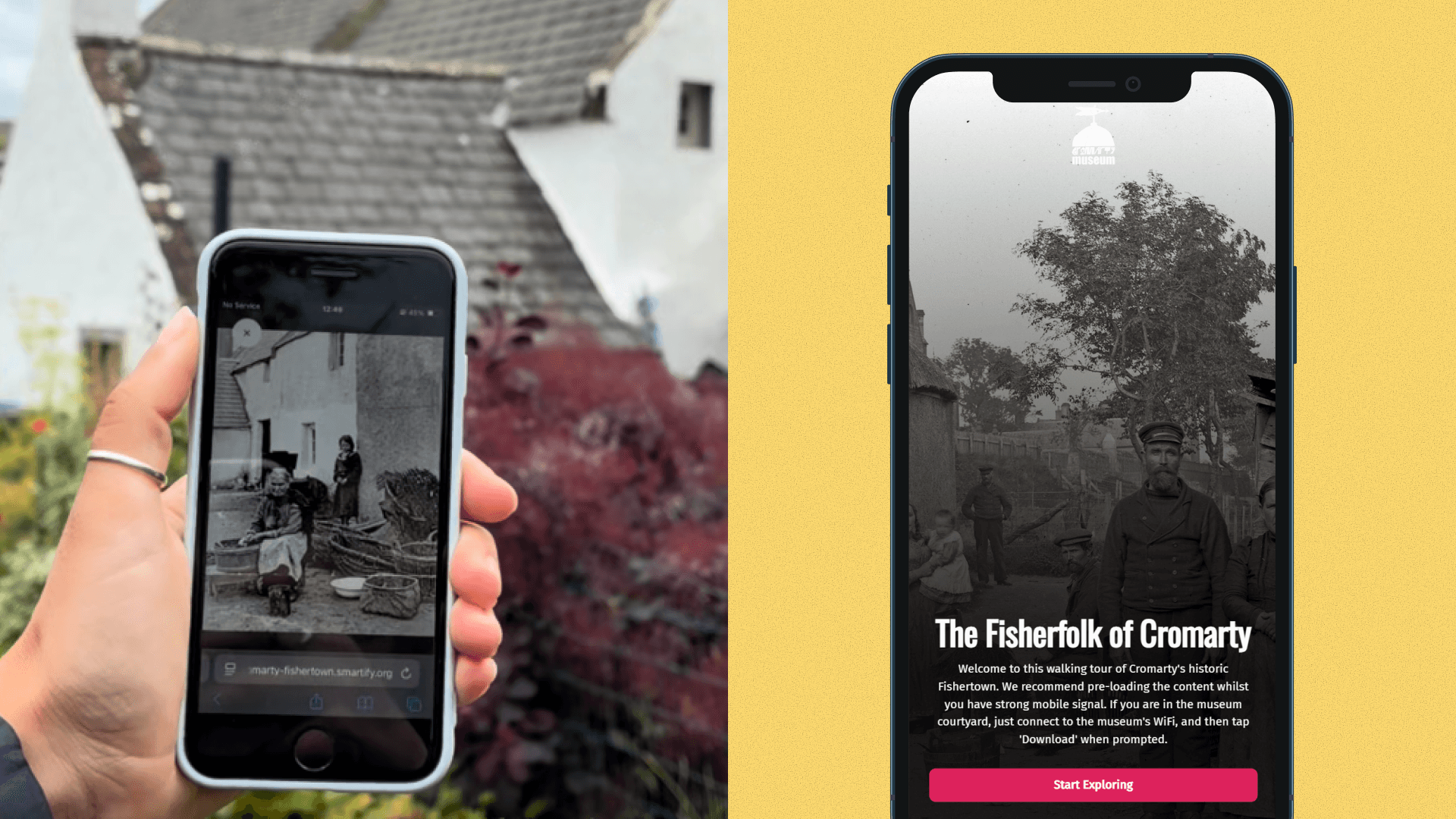
Historic photographs come to life in new community-created augmented reality experience

Bodleian Libraries launches new Outdoor Audio Trail with Smartify

Horniman Museum and Gardens launches playful AR trail with Smartify