The future of cultural experience: five things we learned at Experience 2031
“Technology is the floor. Emotion is the ceiling.” Where four cultural leaders think the sector is heading in the next five years.

Martin Jefferies
Head of Marketing and CRM
4 min read
•

Photos by George Bolbasis
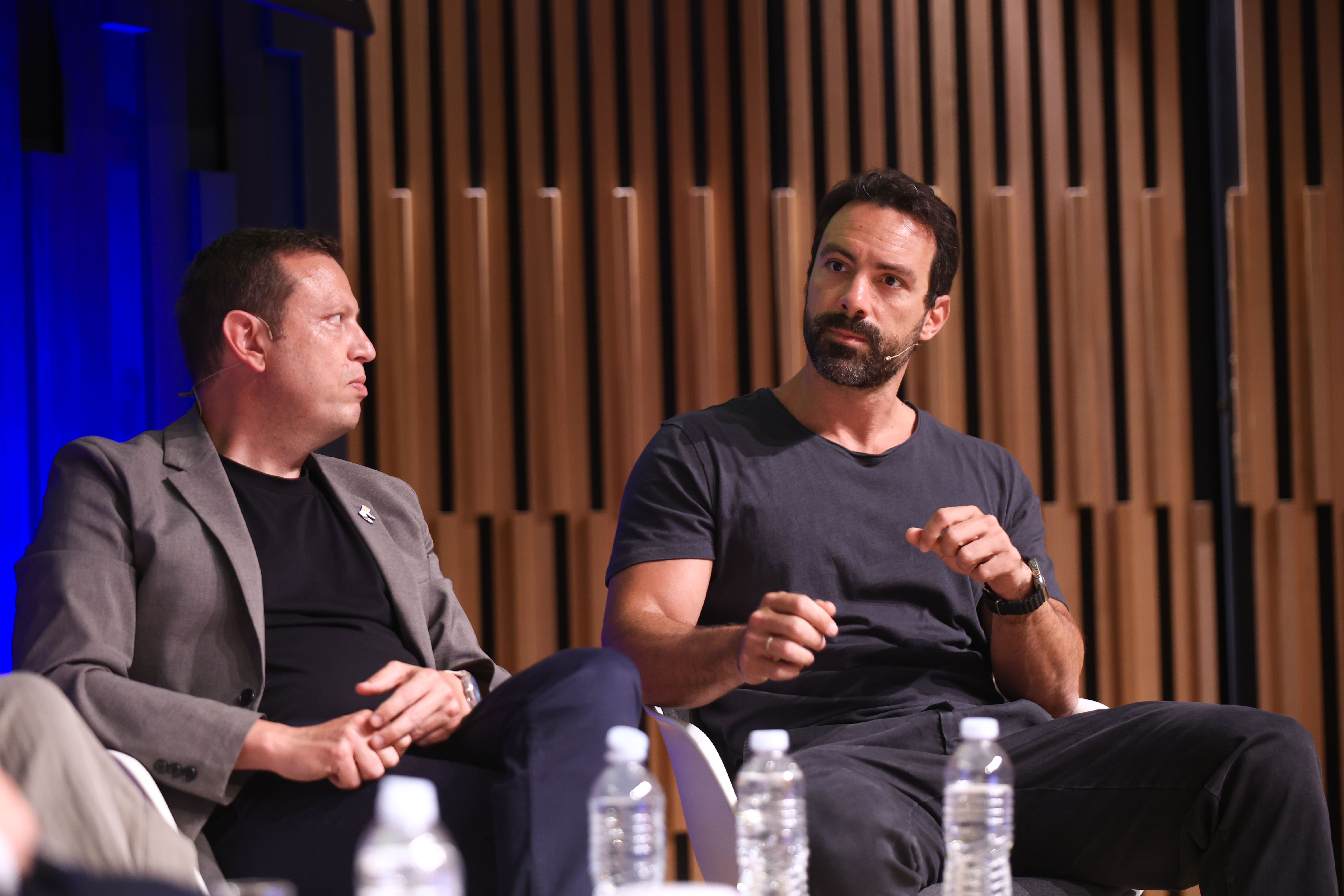
Last week in Athens, four of the cultural sector’s most thoughtful leaders sat down to answer a deceptively simple question: what will visiting a museum, gallery or cultural destination feel like in 2031?
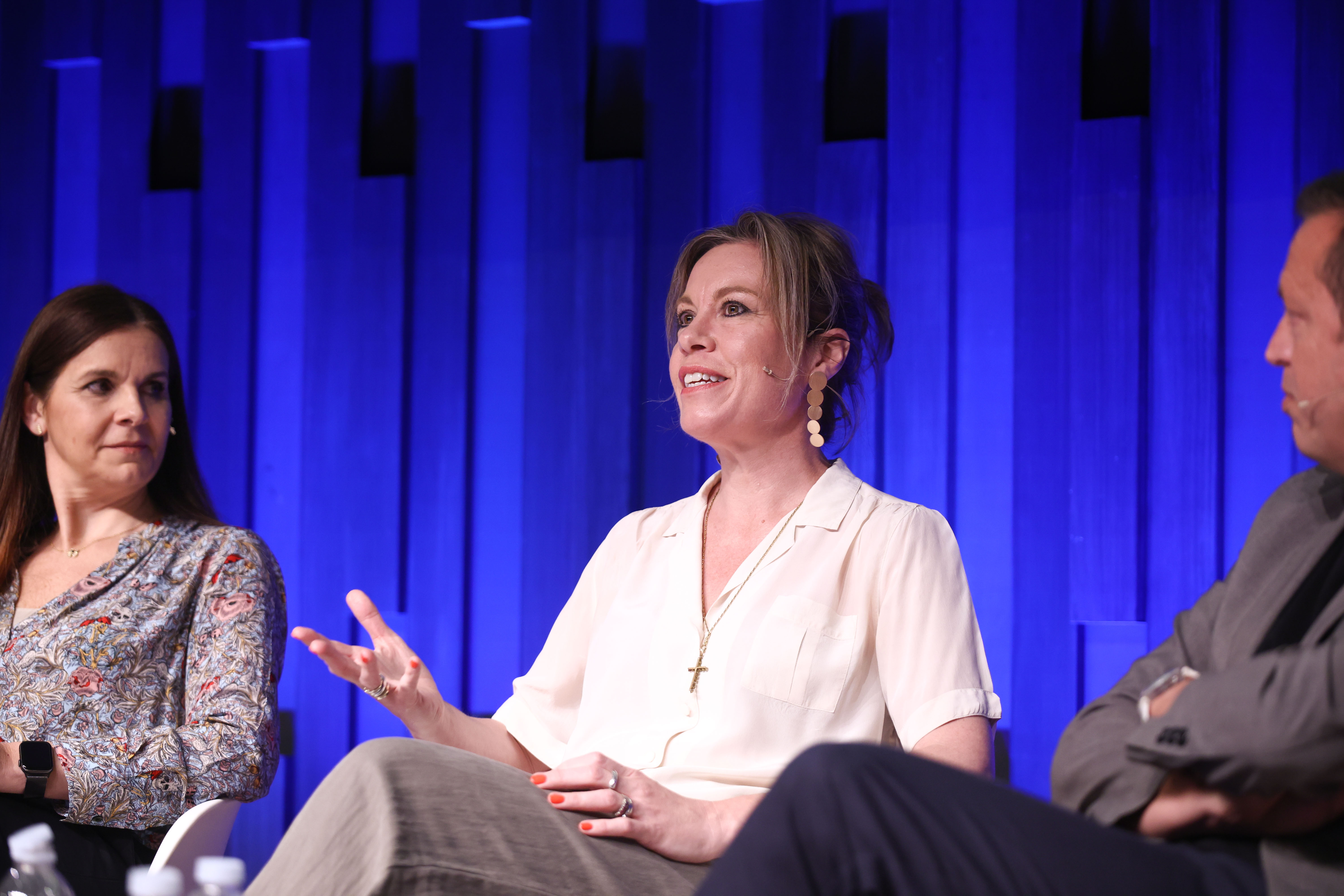
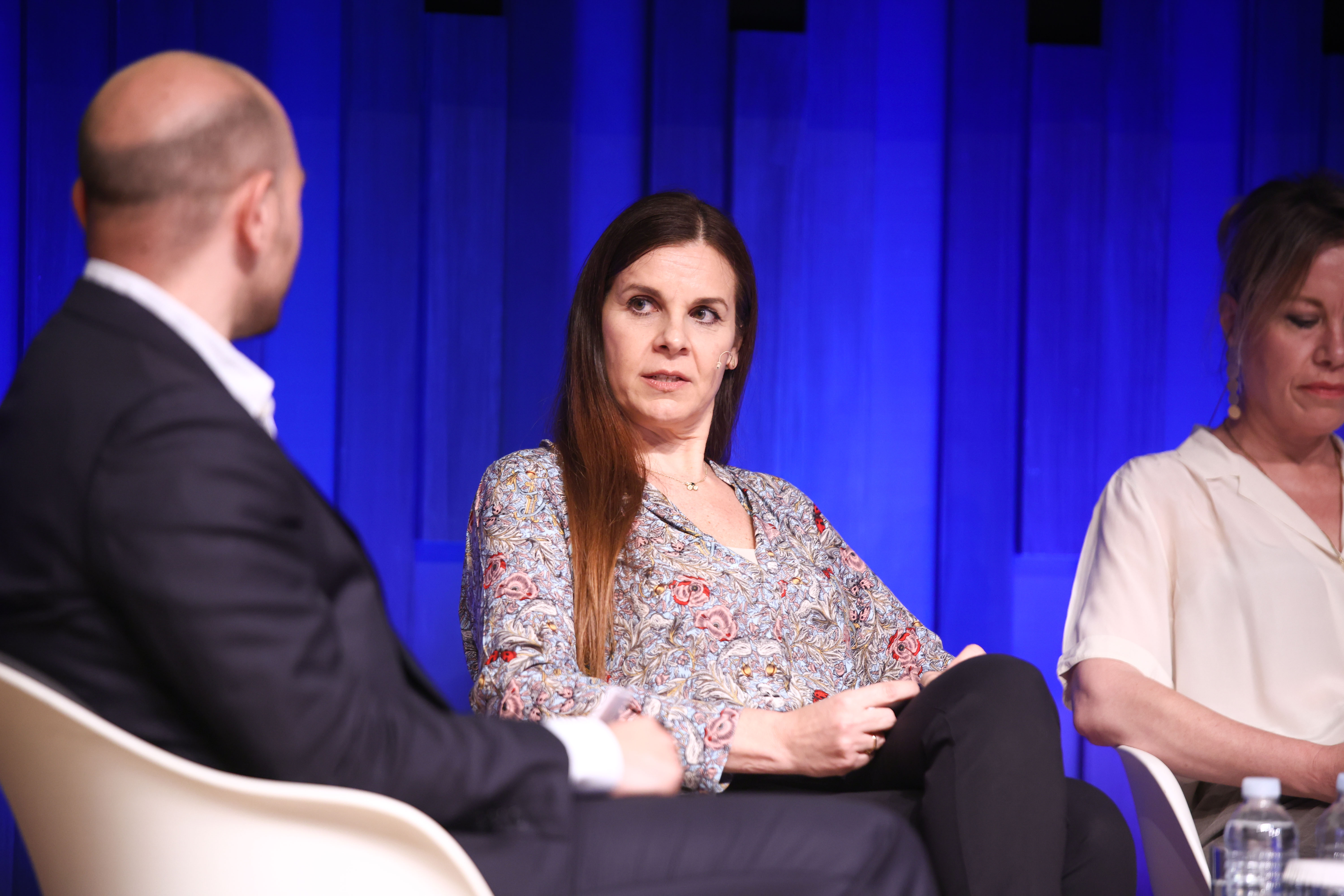
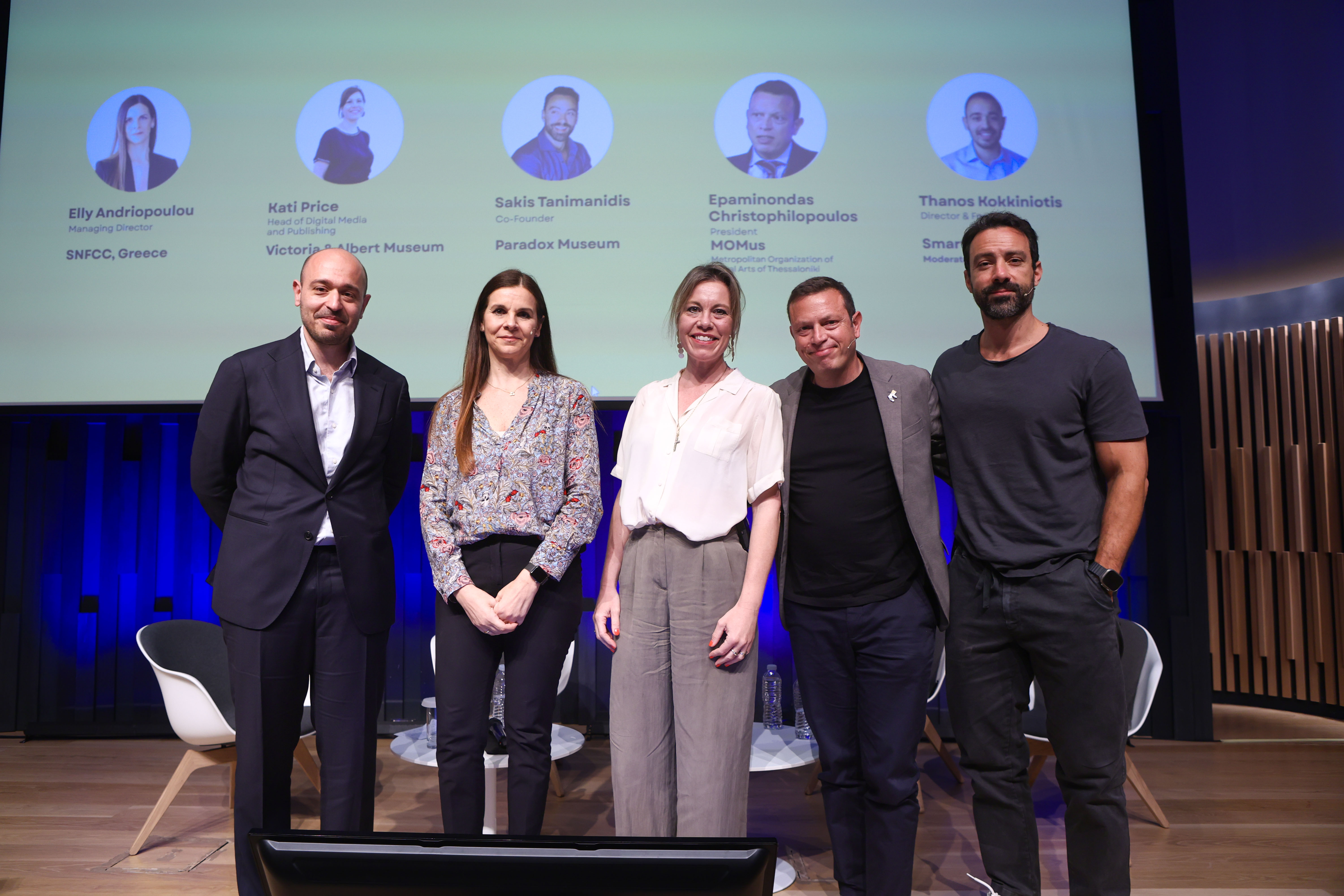
The panel at the Panathēnea Festival, chaired by Smartify CEO Thanos Kokkiniotis and hosted at the Basil & Elise Goulandris Foundation and organised by Metavallon VC, brought together:
Kati Price from the V&A;
Elly Andrianopoulou from the Stavros Niarchos Foundation Cultural Center;
Sakis Tanimanidis, entrepreneur, broadcaster and co-founder of Paradox Museum; and
Epaminondas Christophilopoulos from MOMus and the UNESCO Chair on Futures Research.
The conversation was wide-ranging but five key ideas came up.
1. The technology won’t be what you remember
Sakis Tanimanidis put it most cleanly when he said: “Technology is the floor but emotion will remain the ceiling.”
When you look at the most visited places on the planet – the Louvre, the Vatican, the Acropolis – they don’t rely on AI, just depth, history and feeling.
Technology will keep improving and that’s important. But it works best as infrastructure that quietly enhances the visit: seamless Wi-Fi, frictionless entry, intuitive access to interpretation.
2. Visitors want to be in the driver’s seat
Both Elly Andrianopoulou and Kati Price described the same shift: visitors in 2031 won’t want to be passive consumers of a curated experience. They’ll expect agency: the tools to navigate on their own terms, to explore what interests them, and to create not receive.
Elly’s example was vivid: the SNFCC park has 400 species of plants. A visitor with an interest in botany shouldn’t have to wait for a scheduled guided tour to learn about them. The technology to enable self-directed discovery already exists. All that’s needed is the will to hand over the wheel.
<!-- CTA block -->
3. Culture as a wellbeing destination
“I think increasingly people will look to venues and cultural institutions for things like solace, relaxation and restoration,” said Kati.
The pressures people are carrying today – things like loneliness, digital exhaustion and climate anxiety – are real. Cultural spaces are well-placed to offer something in response.
The data backs this up. The SNFCC, for example, commissioned research on what people need as they live longer. The number one answer wasn’t content, programming or learning; it was connection.
4. A great welcome doesn’t happen by accident
The V&A’s expansion into a family of venues led to a question many institutions avoid: what, exactly, do we mean by a good visitor experience, and are we actually designing for it?
As Kati put it: “You can’t rely on institutional instinct of what works and what a good welcome is. You need to design for it with intent.”
The V&A’s answer was to build shared experience standards from the ground up. These principles weren’t handed down by leadership but developed with the people who actually deliver the experience every day: security staff, front of house teams and colleagues who look after visitor engagement. They were also grounded in evidence: who was struggling most at their South Kensington ‘flagship’ venue and why.
Elly added a harder truth: the bigger an organisation gets, the harder consistency becomes. You can document processes but culture – what happens when no one is watching – is different and it doesn’t scale automatically.
5. Data is intelligence, not reporting
Perhaps the most practically useful thread in the conversation was about how institutions use data.
Elly described an honest starting point familiar to many organisations: data everywhere, none of it connected, decisions driven by anecdote. The SNFCC’s response was to build a unified data ecosystem: a single source of truth, accessible across the organisation, capable of generating genuine insight rather than just dashboards.
Kati explained the goal clearly: moving from data as reporting to data as operational intelligence, understanding non-visitors as much as visitors, and using that insight to make decisions about the experience.
We're pulling together everything we learned from the panel into a short report — including Smartify's platform perspective and five questions we think every institution should be asking now to prepare for the next five years.
The 2031 Report: How cultural institutions are preparing for the next generation of visitors. Sign up here to receive it when it's ready.
Ready for 2031? Get the full report.
More stories

Limited capacity shouldn't mean limited access: audio description tours for major exhibitions

Ulrich Museum of Art launches interactive digital maps with Smartify
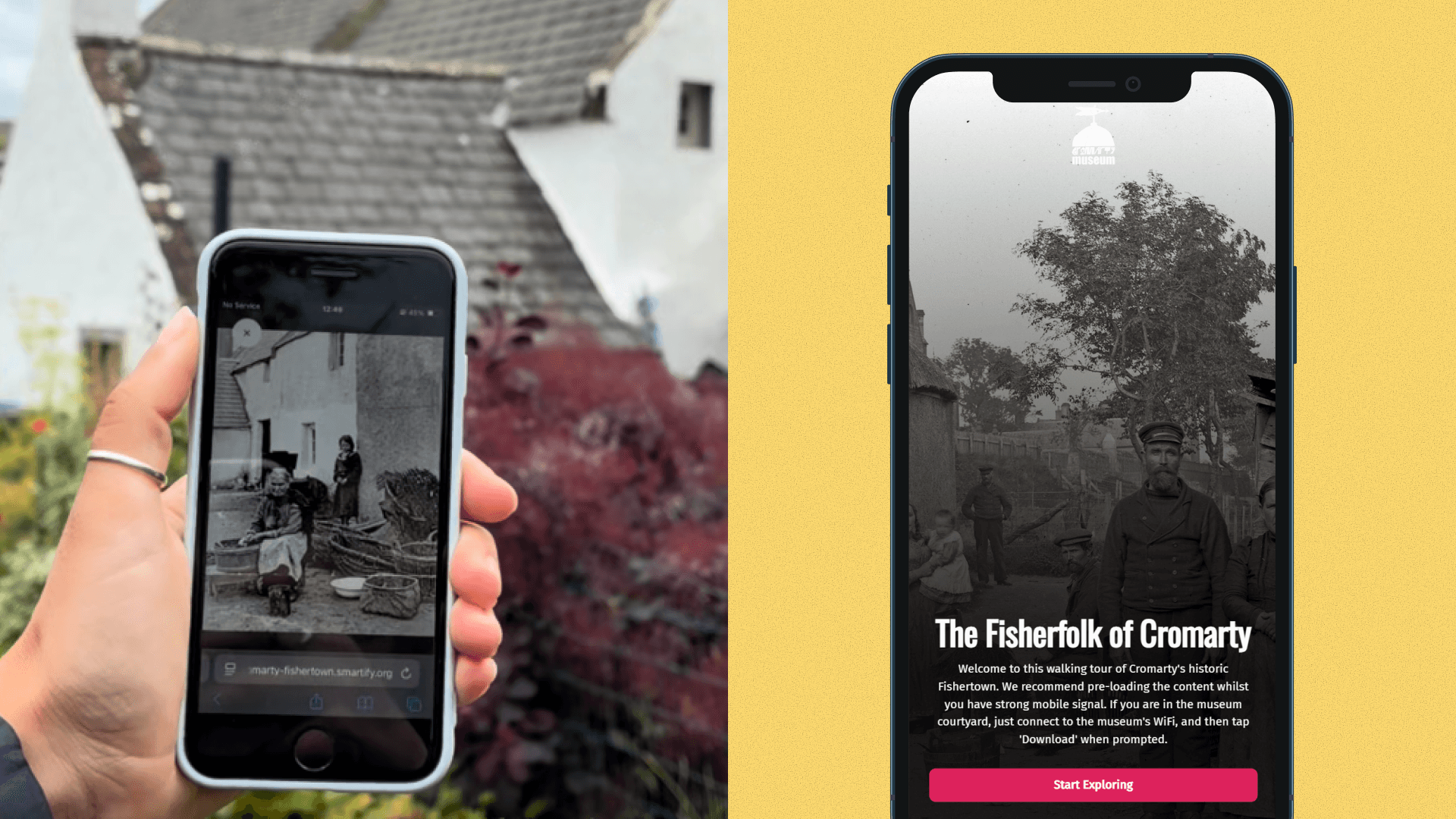
Historic photographs come to life in new community-created augmented reality experience

Bodleian Libraries launches new Outdoor Audio Trail with Smartify

Horniman Museum and Gardens launches playful AR trail with Smartify