Why sign language should be part of the main visitor offer
Smartify gives cultural organisations practical tools to make interpretation more inclusive. Because better access shouldn't be separate from the visitor experience – it should be part of it.

Cally Quigley
Marketing Manager
2 min read
•
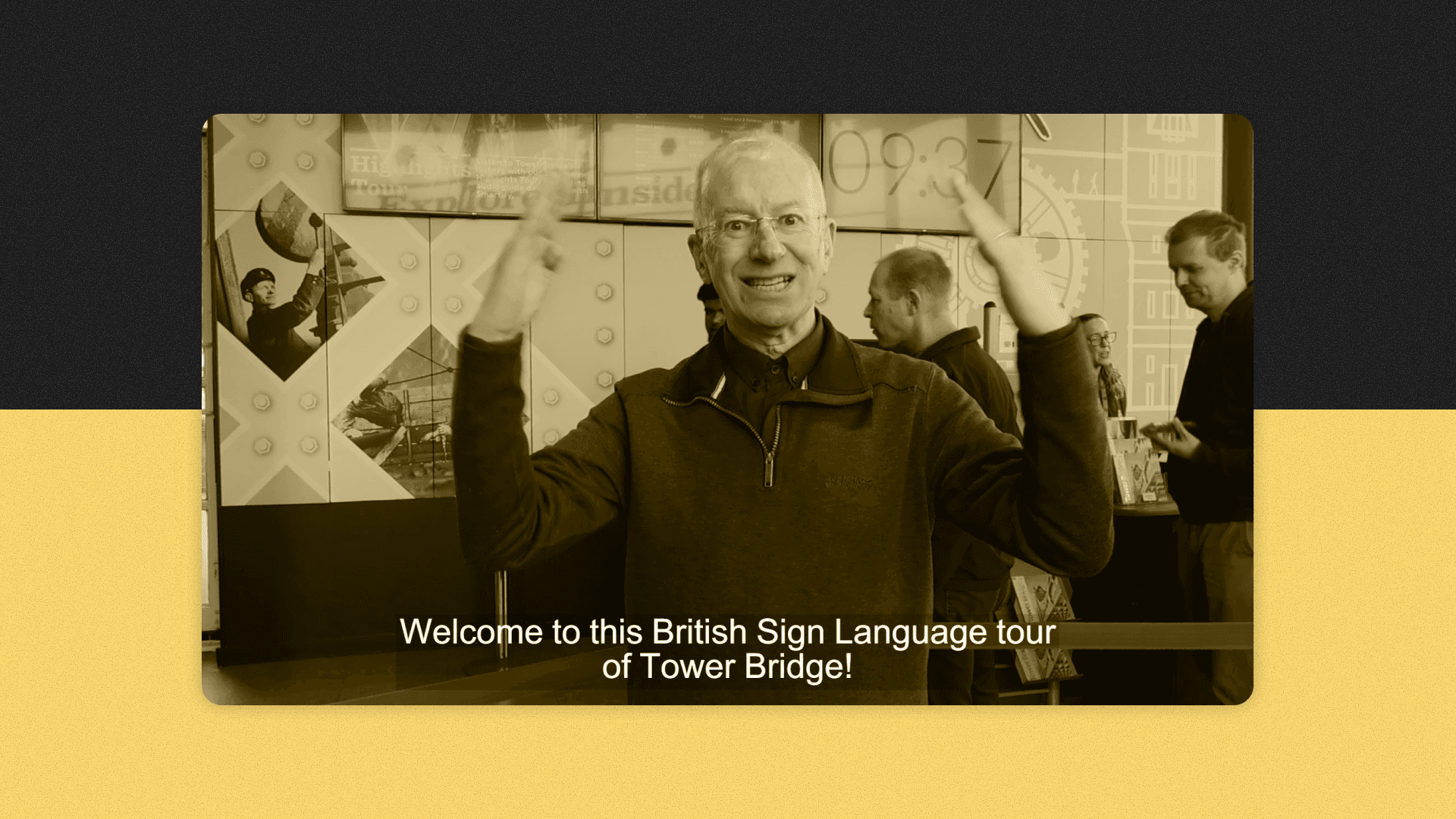
Sign Language Week is an important moment to think about what meaningful access looks like in museums, galleries and heritage sites.
For many organisations, the challenge is not a lack of ambition, but finding practical ways to offer accessible content as part of the wider visitor experience. Digital tools are making that easier.
With Smartify, venues can offer BSL, ASL and other sign language support alongside standard tours in the same visitor experience. This helps cultural organisations improve access for Deaf visitors while also creating more flexible, inclusive interpretation for wider audiences.
Accessibility built into the visitor experience
Accessible interpretation is often treated as a separate layer to the main offer. In practice, that can make it harder to find, harder to maintain and less visible to the people who need it.
A digital guide offers a different approach. Sign language content can sit alongside audio tours, written interpretation, transcripts, subtitles, text-to-speech and adjustable text sizes. Having everything in one place makes content easier for visitors to use and easier for teams to manage.
Tower Bridge: authentic storytelling on site
At Tower Bridge, Smartify’s in-house creative team produced an hour long BSL tour, with signed interpretation filmed at key points around the site, to tell the stories and secrets behind London’s defining landmark.
Working with our expert partners in the field of heritage interpretation for the Deaf community, the content was based on interviews with staff from across the site, helping show the range of perspectives.
Filming on site helps sign language content feel connected to the place itself. Visitors can encounter stories in context, with interpretation designed as part of the overall experience.
“Although sign language support is essential for Deaf visitors who use it, accessible features rarely benefit only one audience. Subtitles help in noisy environments. Text-to-speech supports visitors who prefer listening. Adjustable text sizes improve readability across ages and needs. Accessibility shouldn’t be seen as a niche requirement; it should be part of good visitor experience design.”
– Peter Knowles, Head of Creative at Smartify
Learn more about accessibility on Smartify
More stories

Limited capacity shouldn't mean limited access: audio description tours for major exhibitions

Ulrich Museum of Art launches interactive digital maps with Smartify
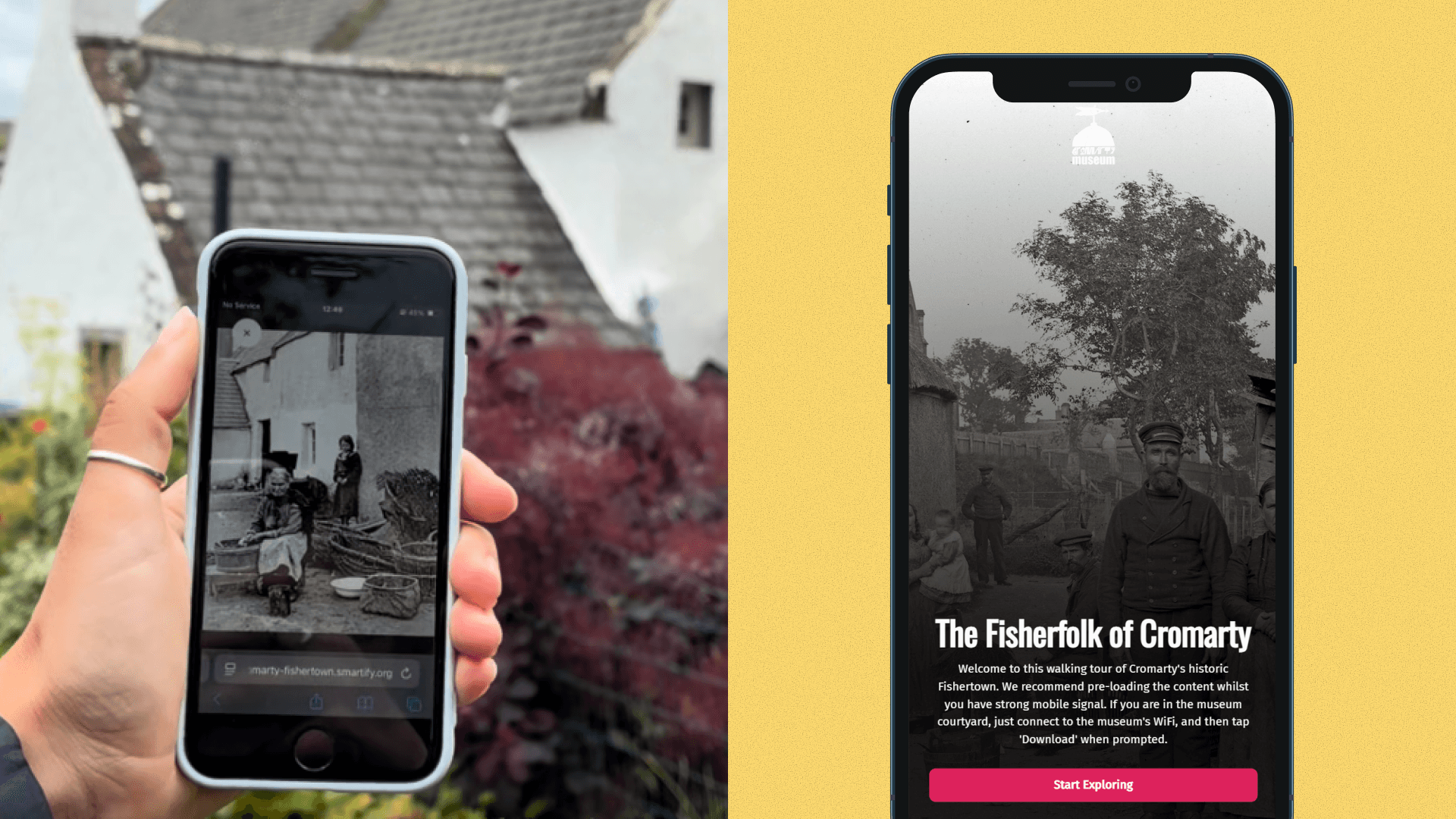
Historic photographs come to life in new community-created augmented reality experience

Bodleian Libraries launches new Outdoor Audio Trail with Smartify

Horniman Museum and Gardens launches playful AR trail with Smartify