From digital guide to growth engine: how visitor data can drive audiences
Your digital guides already know which visitors spent fifteen minutes with Impressionist content and who completed family tours. That's audience intelligence most marketing departments would pay for—if they knew it existed.

Martin Jefferies
Head of Marketing and CRM
3 min read
•
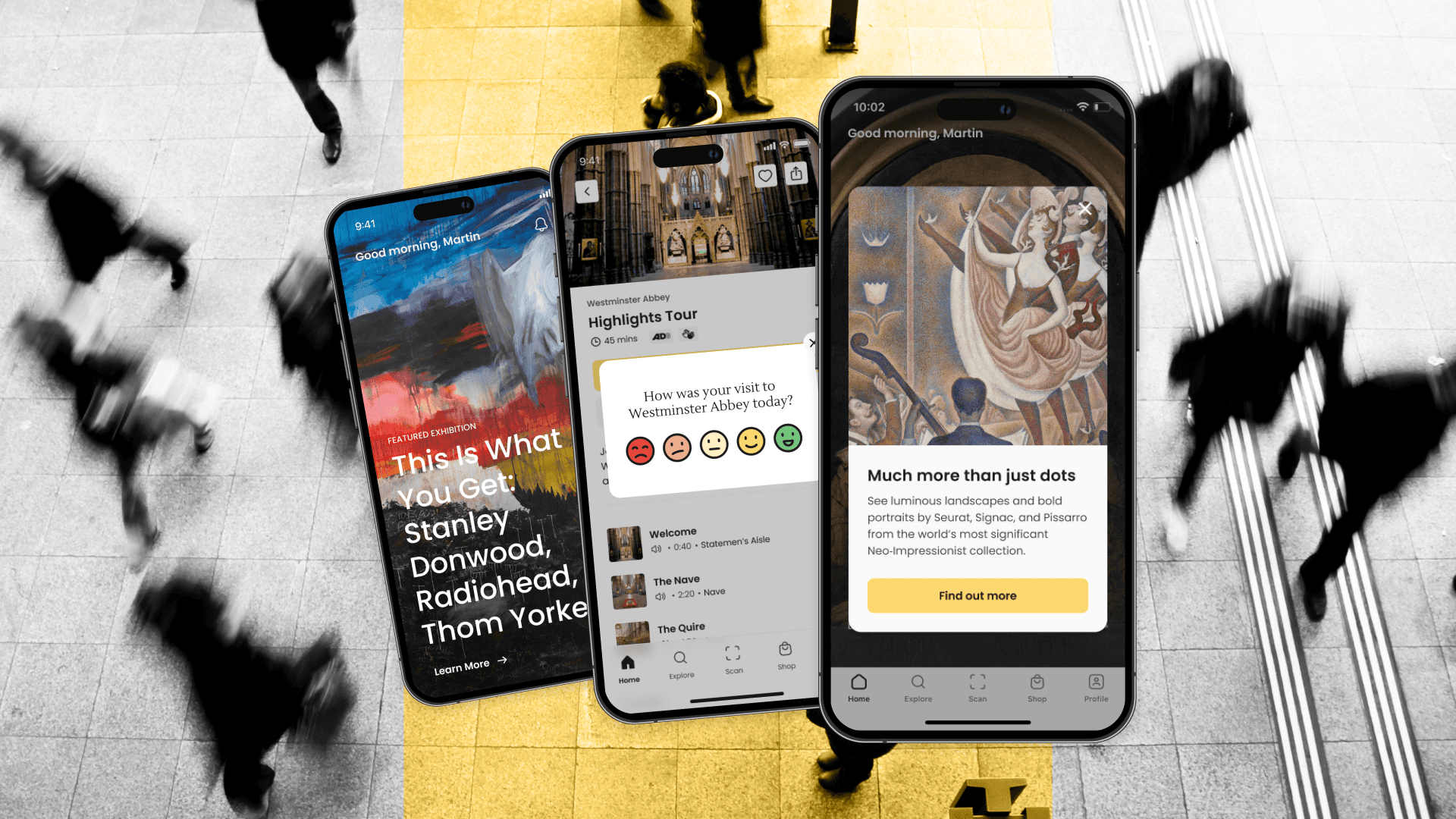
Photo by Timon Studler on Unsplash
Digital guides are quietly generating the richest visitor behaviour data most museums have ever had access to. Which objects capture attention? How long people spend with specific content? What interpretive approaches resonate with different audiences? When are visitors abandoning tours and where are they re-engaging?
Most institutions treat this as operational data – useful for improving guides, irrelevant to broader strategy. That's a significant missed opportunity. The same insights that inform better interpretation can drive audience development, shape programming, and prove institutional impact to funders.
The underused marketing tool sitting in your galleries
Museums invest heavily in visitor acquisition – through advertising, social media, and partnerships – while overlooking the richest audience intelligence already available. Digital guide data reveals not just who visited, but what they cared about once inside.
Someone who spent fifteen minutes engaging with Impressionist audio content is a tangible prospect for your upcoming modern art exhibition. Visitors who completed family tours are demonstrable candidates for education programmes. People who explored architecture content show clear interest that seasonal tours could serve.
This isn't demographic speculation; it's behaviour-linked evidence of actual interests. Yet most museums never connect digital guide engagement to marketing strategy because the data lives separately from audience development workflows.
Beyond email: reaching visitors where they're already engaged
Traditional museum marketing relies heavily on email lists and social media – reaching people outside the institution to draw them back. In-app messaging takes a different approach: communicating with visitors during the experience itself, when attention and interest are highest.
Someone exploring Ancient Egypt content can receive a non-intrusive notification about related upcoming events. Visitors nearing the end of a tour might see membership information. People accessing accessibility features can be informed about similar resources in future visits.
The difference from email isn't just timing, it's relevance. Messages appear in context of demonstrated interest rather than demographic assumptions. Response rates reflect this: in-app prompts based on behaviour typically outperform broadcast emails significantly.
This doesn't replace email, it complements it by reaching visitors at moments when messaging lands most effectively.
<!-- CTA block -->
Ethical data use: transparency over exploitation
Visitor data generates value for institutions, but museums must handle it differently than commercial entities. Cultural organisations have public trust to maintain and ethical obligations that extend beyond legal compliance.
This means transparency about what data is collected and why. It means giving visitors meaningful control, not just mandatory consent forms. It means using data to enhance experiences and serve mission, not to manipulate behaviour or monetise information.
Practically, this looks like: clear communication about data practices, opt-in approaches rather than opt-out defaults, data retention policies that discard information once it's served its purpose, and using insights to improve visitor experience rather than purely for institutional benefit.
The goal is mutual value. Visitors receive better, more relevant content and communications, while institutions understand audiences more deeply to serve them more effectively.
Managing realistic expectations
Digital guide data won't transform struggling institutions into thriving ones. It's one input among many for audience development, not a silver bullet.
The value emerges from integration, not isolation. When digital guide insights inform programming decisions, marketing strategies, and exhibition planning alongside other data sources, they help institutions make more evidence-based choices about serving audiences.
Start modestly: use engagement data to refine one campaign. Test behaviour-based messaging for a single exhibition. Learn what works in your context before building elaborate data strategies.
The most valuable question isn't what data your digital guides could theoretically generate; it's what specific audience challenges that data might help address. Answer that clearly, and visitor insights transform from interesting metrics into genuine strategic assets.
Explore how visitor data can inform your strategy
More stories

Limited capacity shouldn't mean limited access: audio description tours for major exhibitions

Ulrich Museum of Art launches interactive digital maps with Smartify
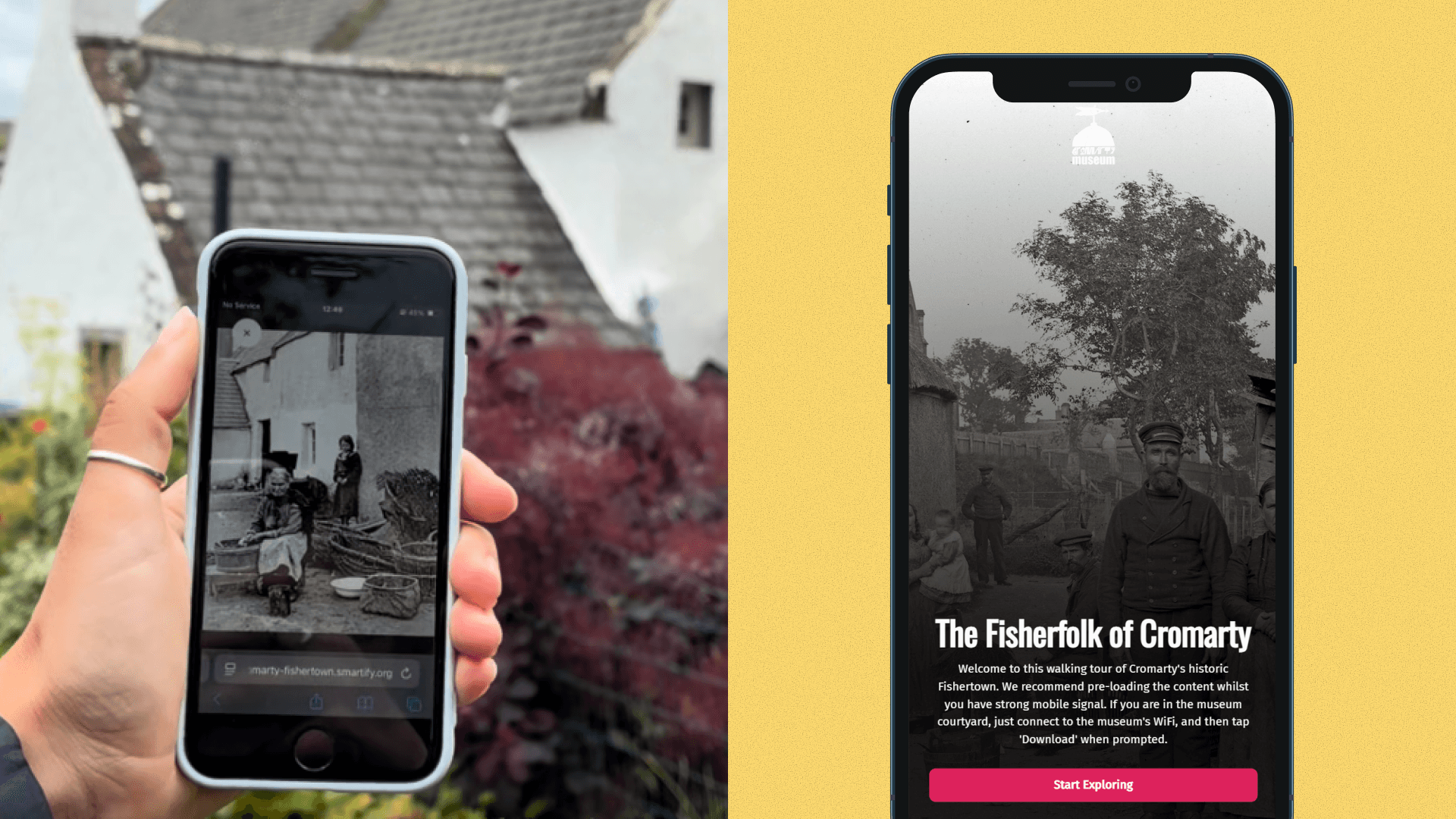
Historic photographs come to life in new community-created augmented reality experience

Bodleian Libraries launches new Outdoor Audio Trail with Smartify

Horniman Museum and Gardens launches playful AR trail with Smartify